Each sculpture was burned using chemically altered flames, with color serving as a key narrative device. For example, the unbalanced justice scale was burned with a green flame, symbolizing envy and resentment. This choice reflected how the lack of equality leads to imbalance and social division. After the flames were extinguished, the sculptures were left visibly damaged to emphasize how these issues cause lasting harm within our communities.
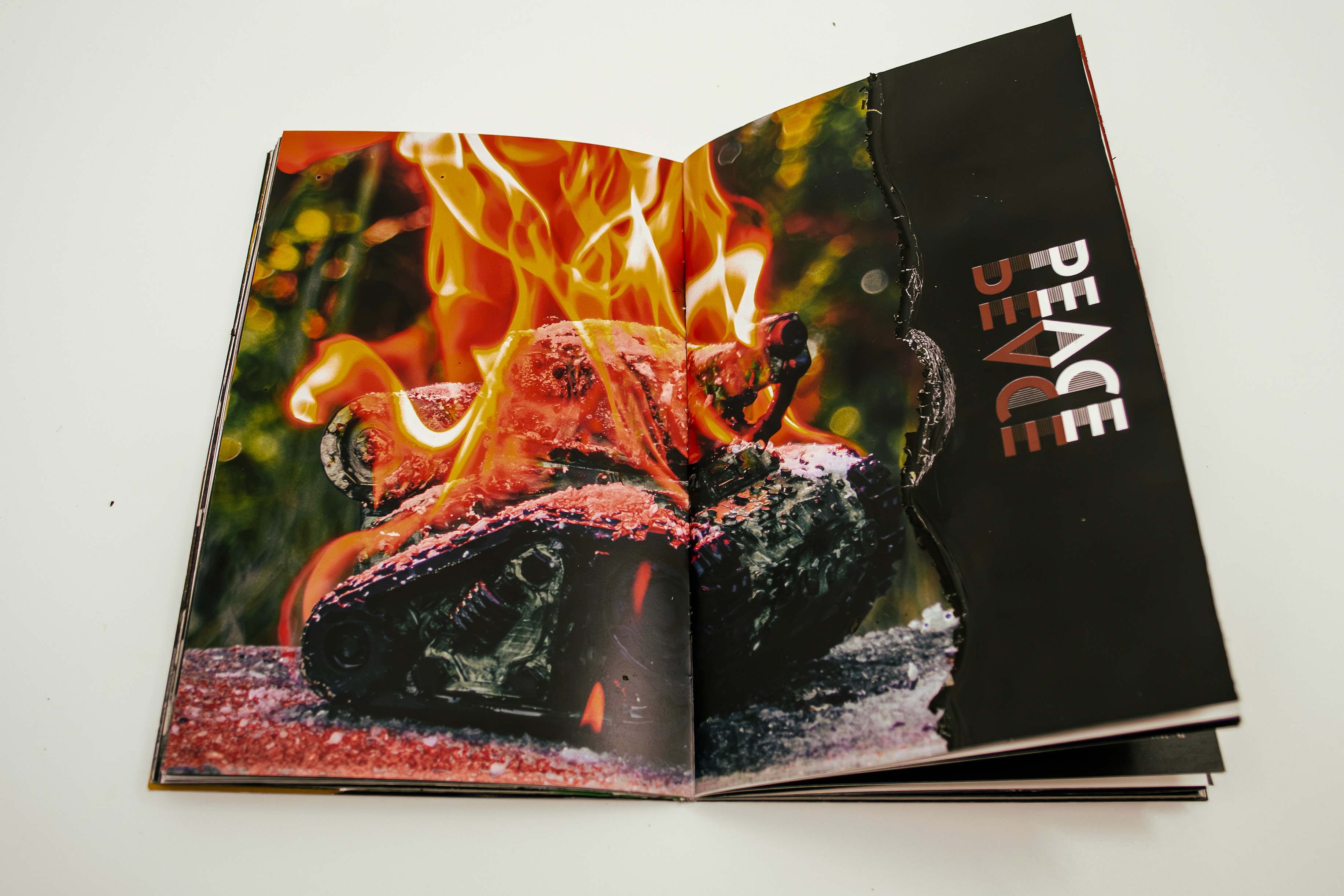
We organized the selected designers into three themes—equality, unity, and peace—based on the social issues their work addressed. For each theme, we created a 3D sculpture that represented the opposite of its assigned value: an unbalanced justice scale, a wall, and an army tank. These forms were chosen to visually communicate the consequences that emerge when these principles are absent.
PROJECT TYPE
Typography, Layout, Exhibition
DELIVERABLES
Publication, Exhibition Design
COLLABORATION
Worked as part of a collaborative design team to concept, design, and execute Issue No. 1, contributing to publication layout, sculptural exploration, and installation design inspired by 1960s Mod-era designers and social issues.
Each sculpture was burned using chemically altered flames, with color serving as a key narrative device. For example, the unbalanced justice scale was burned with a green flame, symbolizing envy and resentment. This choice reflected how the lack of equality leads to imbalance and social division. After the flames were extinguished, the sculptures were left visibly damaged to emphasize how these issues cause lasting harm within our communities.
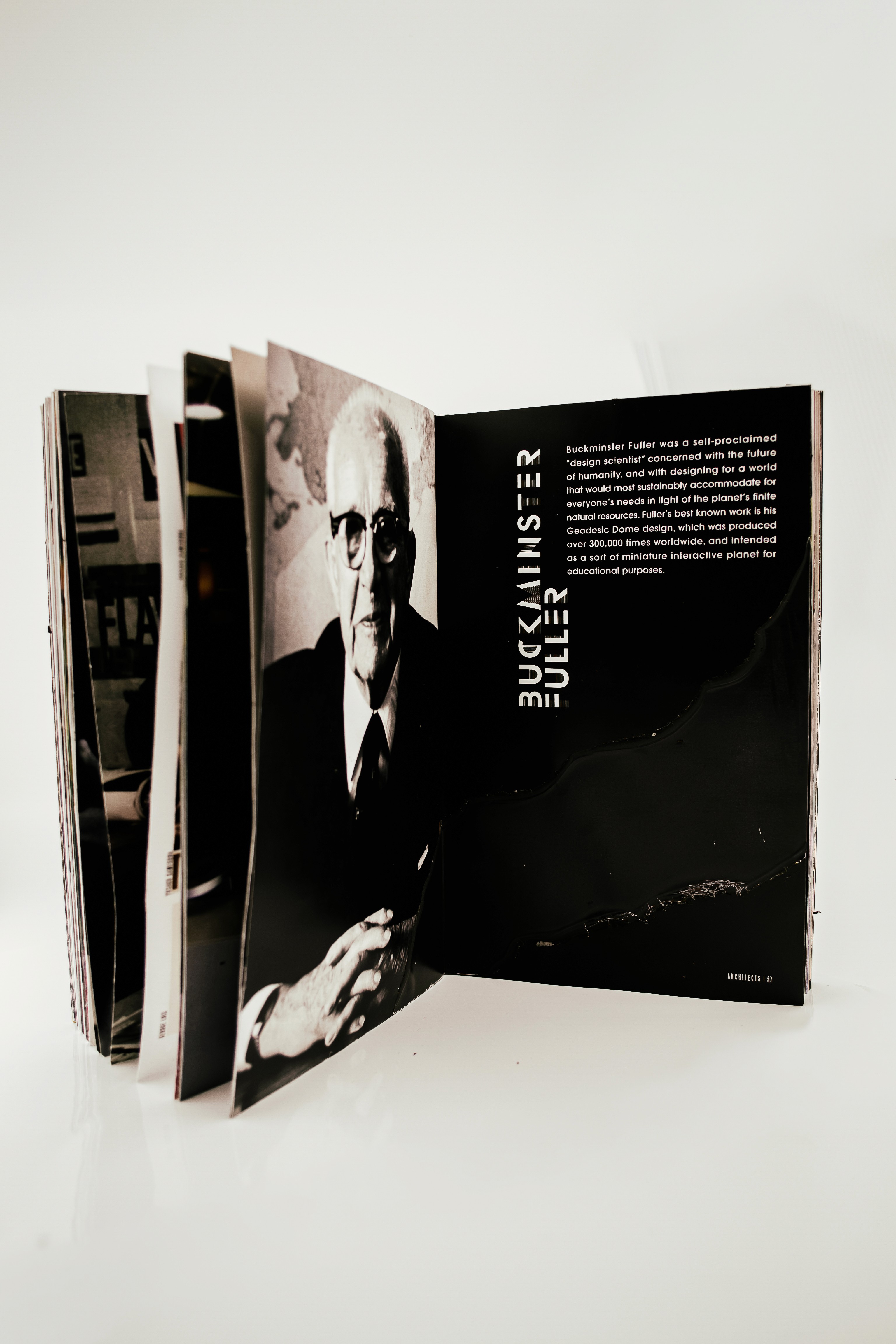
Issue No. 1 is a publication created by my team and me, inspired by designers of the 1960s Mod period and intended to be partnered with the Cooper Hewitt, Smithsonian Design Museum in New York. The project explores how design can engage with social issues through symbolism, material experimentation, and immersive experience.
We organized the selected designers into three themes—equality, unity, and peace—based on the social issues their work addressed. For each theme, we created a 3D sculpture that represented the opposite of its assigned value: an unbalanced justice scale, a wall, and an army tank. These forms were chosen to visually communicate the consequences that emerge when these principles are absent.
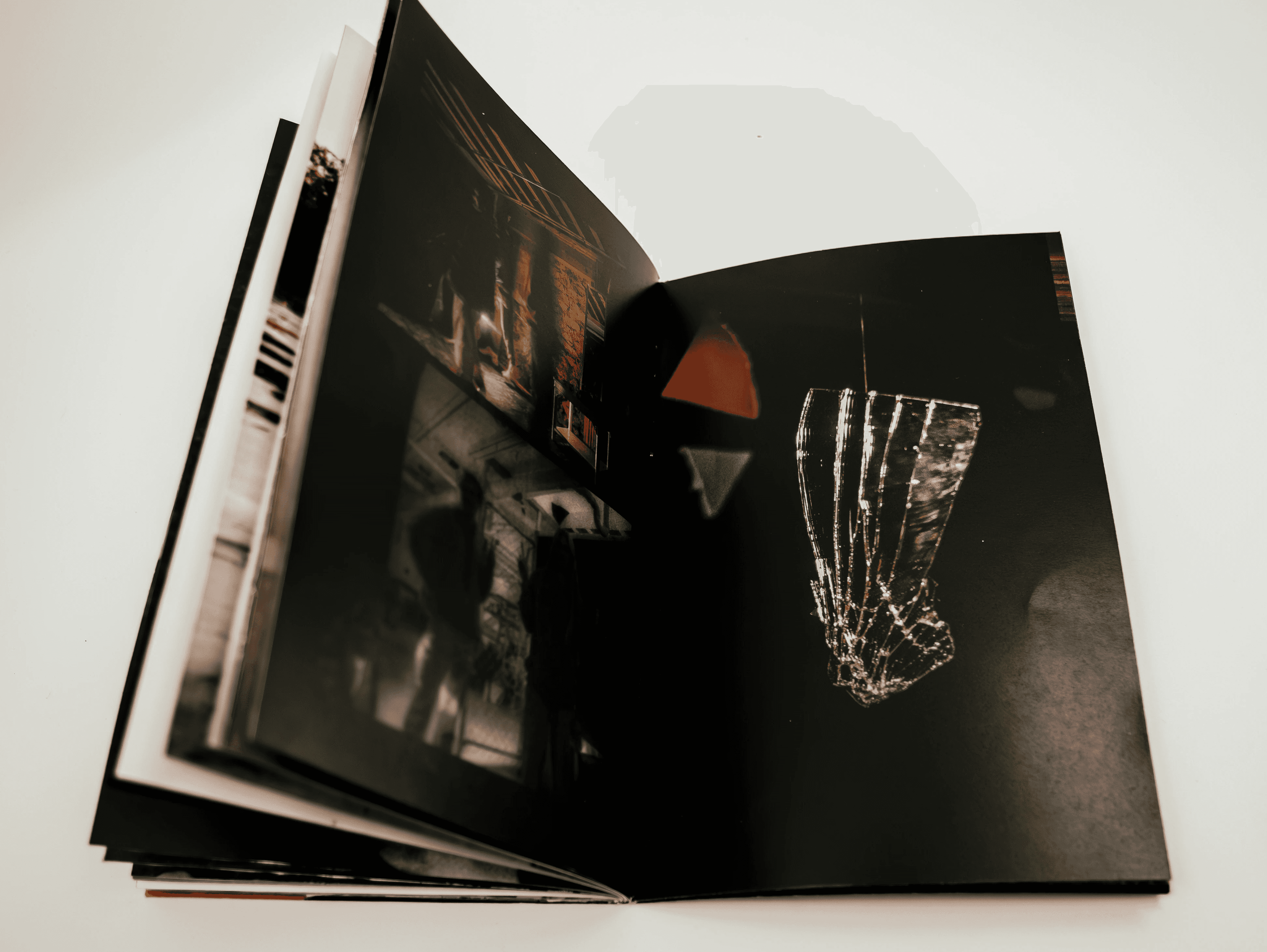
To expand the project beyond the sculptures themselves, we designed a mock installation that visitors would walk through. The path featured suspended fragments tinted with the same colors used in the burning process, along with shards of broken mirrors. At the end of the experience, visitors would encounter a fully intact mirror displaying the question, “What are you doing about it?” placed alongside the remains of the burned sculptures. This final moment was intended to prompt reflection and encourage visitors to consider the role they play in addressing these issues.
To expand the project beyond the sculptures themselves, we designed a mock installation that visitors would walk through. The path featured suspended fragments tinted with the same colors used in the burning process, along with shards of broken mirrors. At the end of the experience, visitors would encounter a fully intact mirror displaying the question, “What are you doing about it?” placed alongside the remains of the burned sculptures. This final moment was intended to prompt reflection and encourage visitors to consider the role they play in addressing these issues.
To expand the project beyond the sculptures themselves, we designed a mock installation that visitors would walk through. The path featured suspended fragments tinted with the same colors used in the burning process, along with shards of broken mirrors. At the end of the experience, visitors would encounter a fully intact mirror displaying the question, “What are you doing about it?” placed alongside the remains of the burned sculptures. This final moment was intended to prompt reflection and encourage visitors to consider the role they play in addressing these issues.